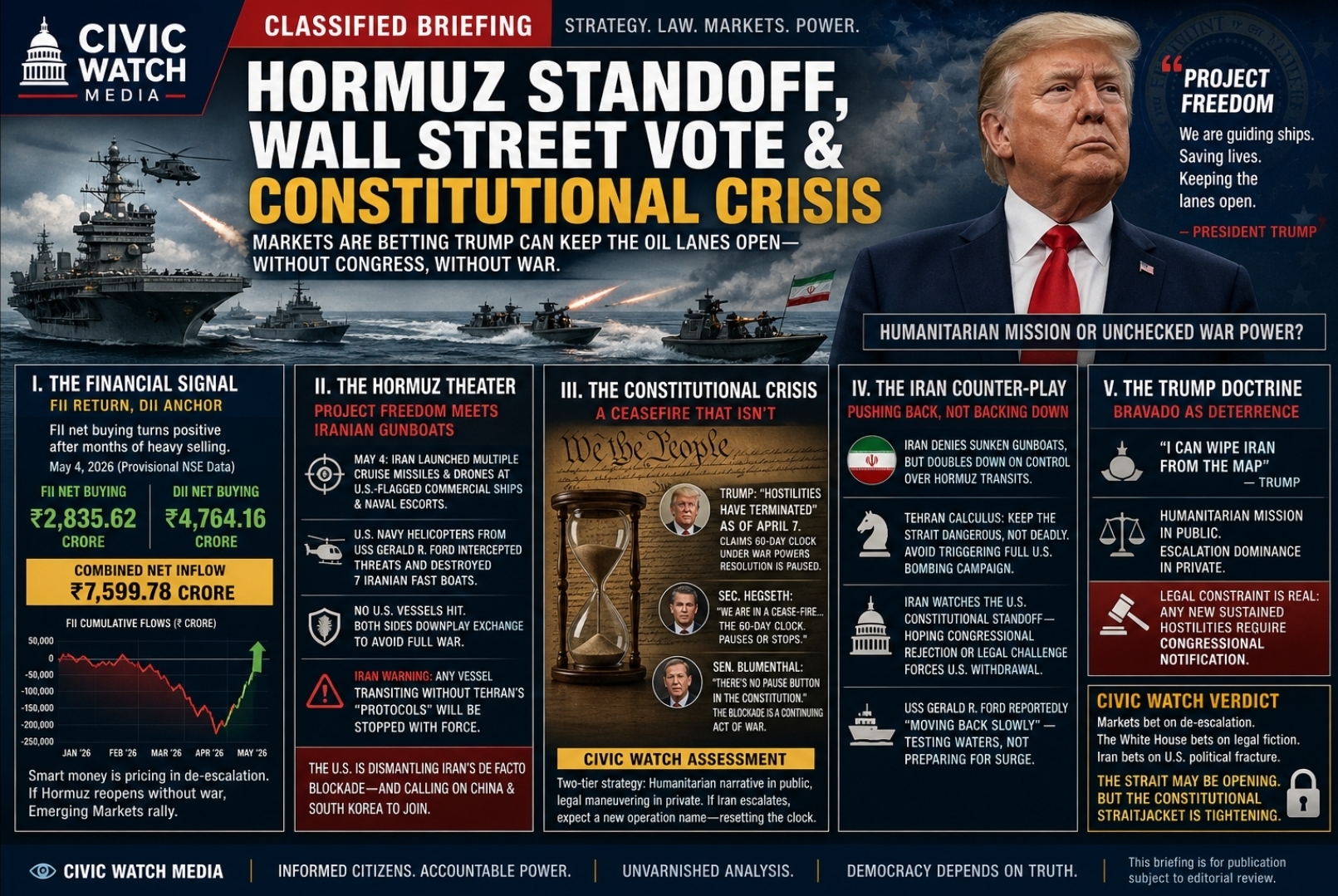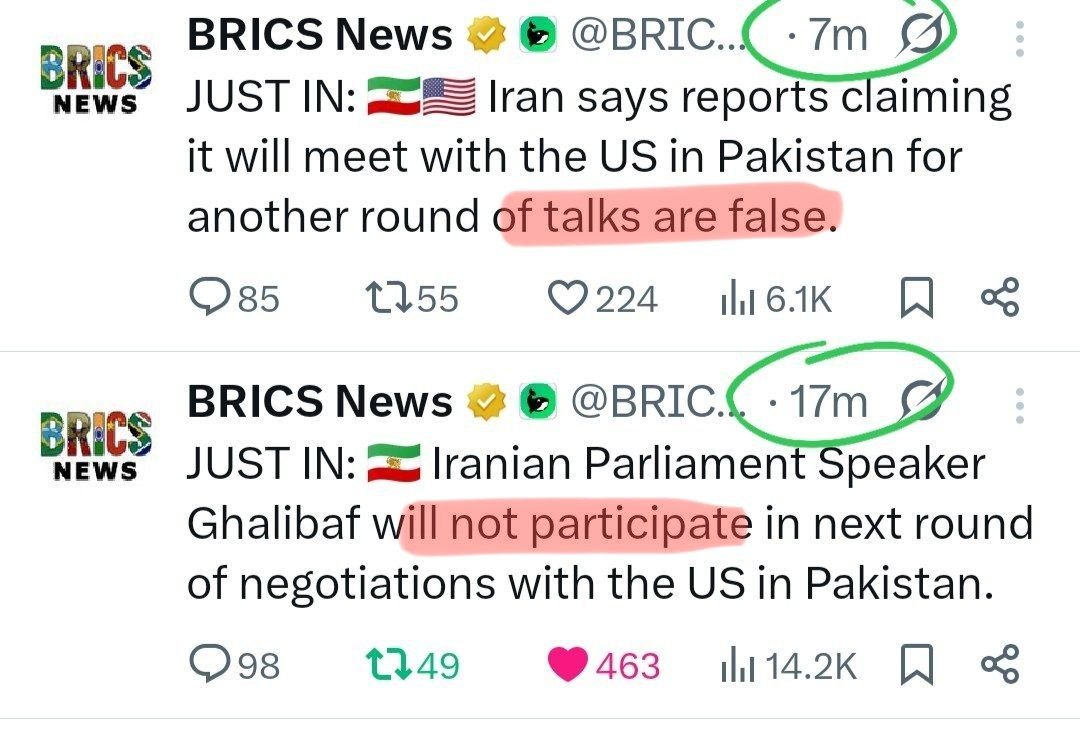
TEHRAN/LONDON — Iran has emerged as the gatekeeper of the world's most critical oil chokepoint, with Tehran estimating that over 400 commercial vessels are currently queued for permission to transit the Strait of Hormuz. The development comes as European nations launch urgent diplomatic efforts to secure safe passage for their energy supplies while Iran institutionalizes a controversial toll system demanding payment in Chinese yuan.
The "Tollbooth" Becomes Official
What began as an informal blockade has evolved into a structured revenue extraction mechanism. Iran's parliament has approved legislation formalizing transit fees for vessels passing through the Strait of Hormuz, with the Islamic Revolutionary Guard Corps (IRGC) now operating what maritime intelligence firm Lloyd's List describes as a "de facto 'toll booth' regime" .
The system works as follows: Ship operators must submit comprehensive documentation—including ownership records, cargo manifests, crew lists, and AIS tracking data—to an IRGC-linked intermediary. The IRGC Navy's Hormozgan Provincial Command then conducts "geopolitical vetting" to screen for any ties to the United States, Israel, or nations Iran classifies as adversaries .
Countries are assigned a "friendliness ranking" from one to five. Those deemed friendlier receive preferential rates, with oil tankers facing opening negotiations at approximately 1 per barrel—meaning a standard Very Large Crude Carrier carrying 2 million barrels could face tolls starting at 2 million per transit .
Dollar Dumped for Yuan and Crypto
In a move with significant implications for global currency markets, Iran is insisting on payment in Chinese yuan or cryptocurrency stablecoins—deliberately bypassing the SWIFT-dependent dollar clearing system. At least two vessels have already completed yuan-denominated payments, according to Bloomberg reporting .
This represents a strategic pivot toward blockchain-based settlement rails that circumvent traditional correspondent banking channels, allowing Iran to monetize its geographic advantage while evading Western sanctions.
European Diplomatic Push
The United Kingdom has convened a virtual coalition of approximately 40 nations—including France, Germany, Italy, Canada, Japan, and the United Arab Emirates—to address the crisis. Notably, the United States was excluded from Thursday's meeting, following President Donald Trump's assertion that nations dependent on Gulf oil should "take the lead" in securing the waterway .
"We have seen Iran hijack an international shipping route to hold the global economy hostage," said British Foreign Secretary Yvette Cooper during the meeting. "Current conditions are unsustainable and price spikes are hitting households and businesses in every corner of the world" .
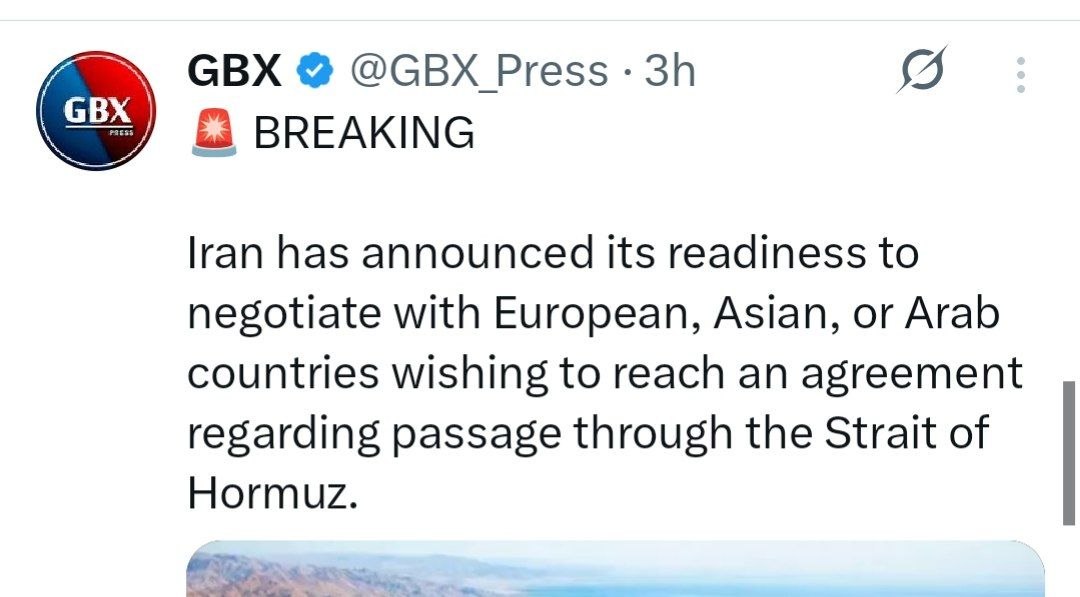
Iranian Foreign Minister Abbas Araghchi has indicated openness to negotiations with specific nations, telling Japan's Kyodo News: "We are ready to provide them with safe passage. All they need to do is contact us to discuss how this route will work" .
Global Economic Fallout
The strait's closure has reduced normal traffic by approximately 90%, with only four to five vessels transiting daily compared to the pre-war average of 150. Roughly 2,000 vessels remain trapped in the Persian Gulf, including ships carrying humanitarian aid to Sudan and other destinations .
Brent crude has surged more than 40% since the conflict began, trading above 104 per barrel. The UN's International Maritime Organization reports that 20,000 seafarers are effectively stranded in an active war zone, with ten killed and eight injured since hostilities commenced .
Strategic Implications
The Hormuz crisis represents an unprecedented challenge to freedom of navigation principles. Iran's demand for recognition of its "sovereignty over the Strait of Hormuz" as part of any ceasefire agreement signals a long-term strategic shift in regional power dynamics .
With the U.S. indicating plans to wind down direct military operations within weeks, and European nations scrambling to negotiate independent access arrangements, the Strait of Hormuz has transformed from a shared international waterway into a contested, monetized corridor where passage is a privilege granted by Tehran—not a right guaranteed by international law.
---
Civic Watch Media will continue monitoring developments as this story evolves.
Civic Watch Media | Truth. Accountability. Public Interest.
---