🚨 CIVIC WATCH MEDIA | SPECIAL SITUATION REPORT
🇳🇵🇨🇳 NEPAL–CHINA FLOOD DISASTER: WHAT REALLY HAPPENED, THE CAUSES, AND WHAT COMES NEXT
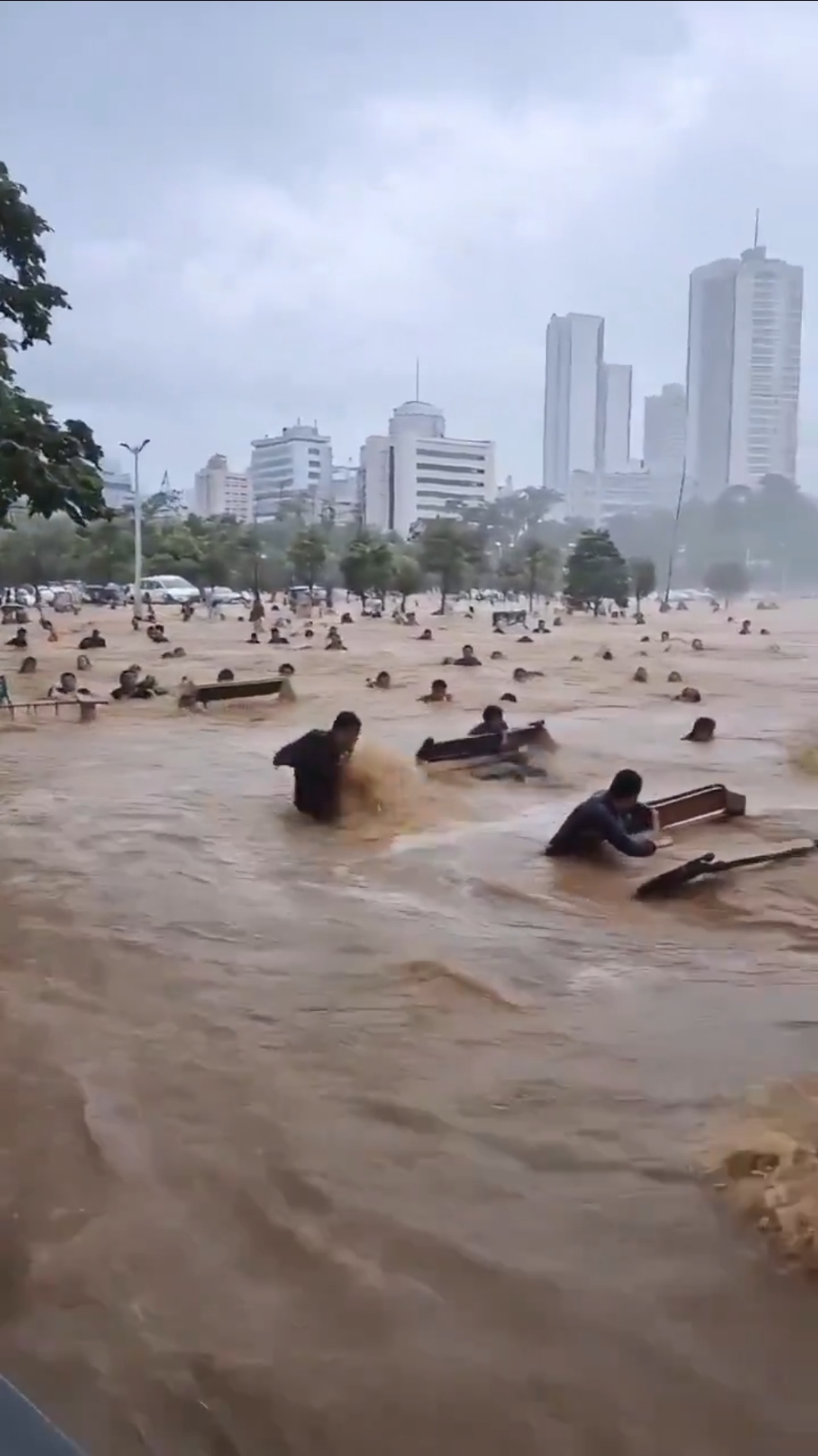
The devastating flooding and debris disaster along the Nepal–China Himalayan corridor has raised serious questions about what triggered the sudden destruction and whether the event represents a broader warning about the growing instability of the Himalayan environment.
🔎 CIVIC WATCH MEDIA ANALYSIS
Preliminary assessments indicate that this was not simply a conventional monsoon flood. The immediate trigger appears to have been a major glacial collapse involving ice and rock, which generated a powerful avalanche/debris flow that entered the river system and rapidly transformed into a destructive flash flood downstream.
The geography of the Himalayas significantly amplified the impact. Narrow valleys can concentrate enormous quantities of water, mud, ice and rock into extremely fast-moving channels, leaving communities with little time to react.
🌡️ THE DEEPER CAUSE
While no single factor should be blamed for the disaster, the changing Himalayan climate is an important part of the risk picture.
Rising temperatures are contributing to glacier retreat and increasing instability across parts of the high-mountain environment. Unstable ice, steep slopes, glacial lakes and weakened mountain structures can create conditions in which relatively sudden geological events produce catastrophic downstream consequences.
This does not establish that climate change alone caused this specific incide