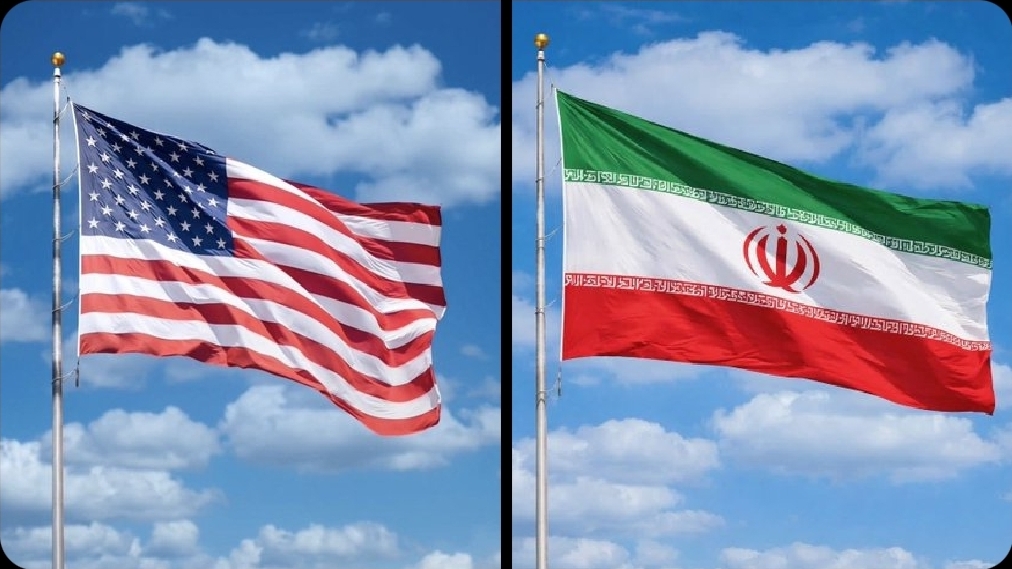
The Pakistani leader stated that both nations have agreed to the immediate and permanent cessation of military operations on all fronts, including activities linked to the conflict in Lebanon. Pakistan has played a central mediating role in the negotiations, working alongside regional and international partners to facilitate dialogue between Washington and Tehran.
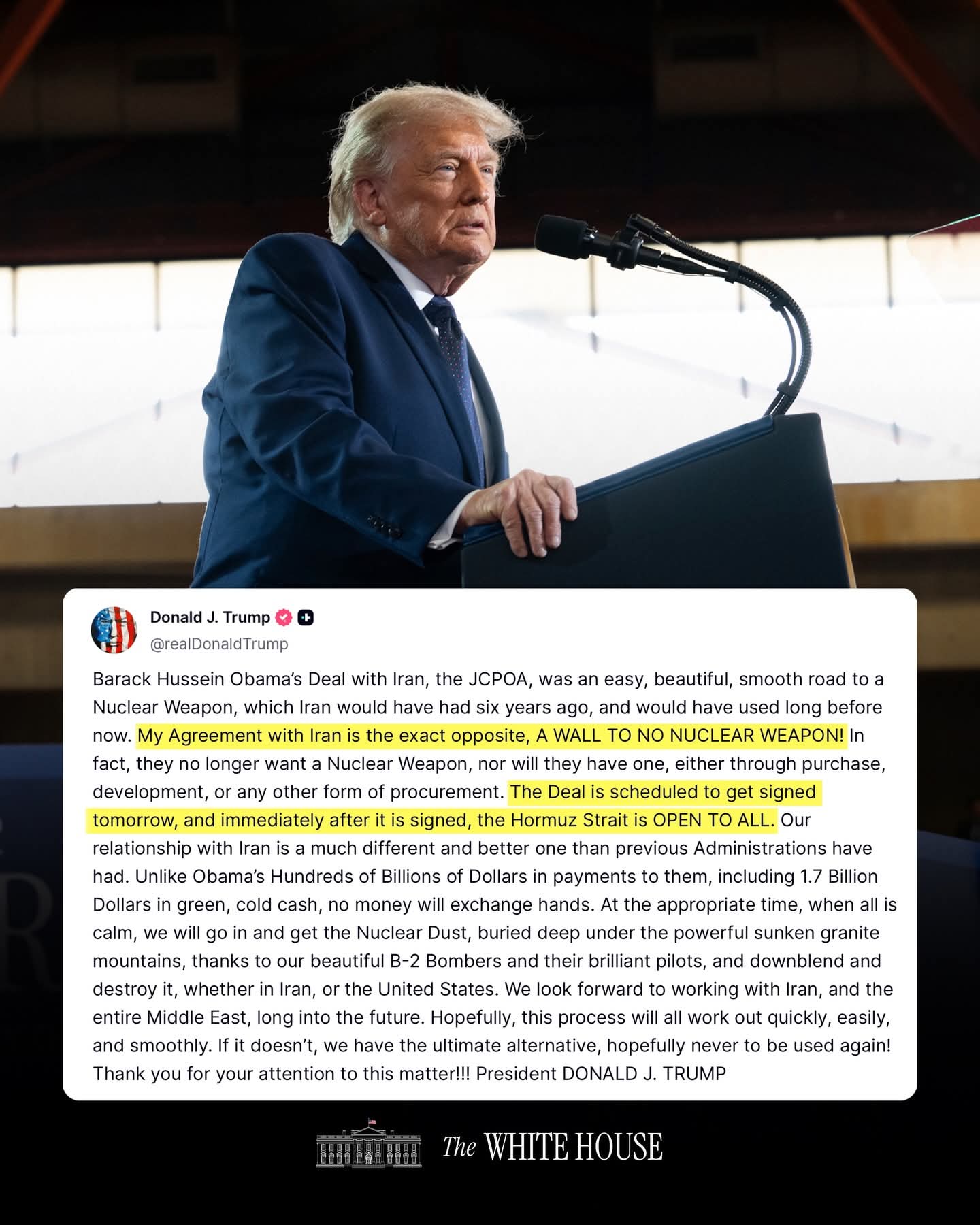
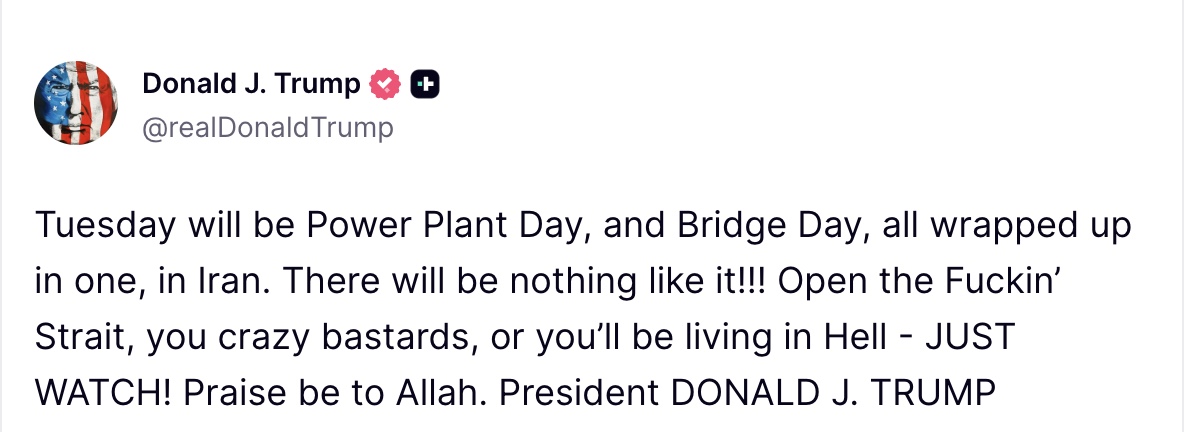
While the full text of the agreement has not yet been publicly released, reports indicate that the framework may include measures to reopen the strategically vital Strait of Hormuz, ease maritime restrictions, and establish a pathway for further negotiations concerning Iran's nuclear program and regional security issues.
The announcement comes after months of heightened tensions that disrupted global energy markets and raised fears of a wider conflict across the Middle East. Analysts suggest that a successful implementation of the agreement could help stabilize the region and reduce uncertainty in international oil and shipping markets.
However, some uncertainty remains. While Pakistan has declared that a deal has been reached, reports indicate that details are still being finalized, and some parties involved have yet to provide comprehensive public confirmation regarding every aspect of the agreement.
The international community is expected to closely monitor developments ahead of the planned signing ceremony in Switzerland, which could mark one of the most significant diplomatic breakthroughs in recent Middle East relations.
Civic Watch Media | Truth. Accountability. Public Interest.