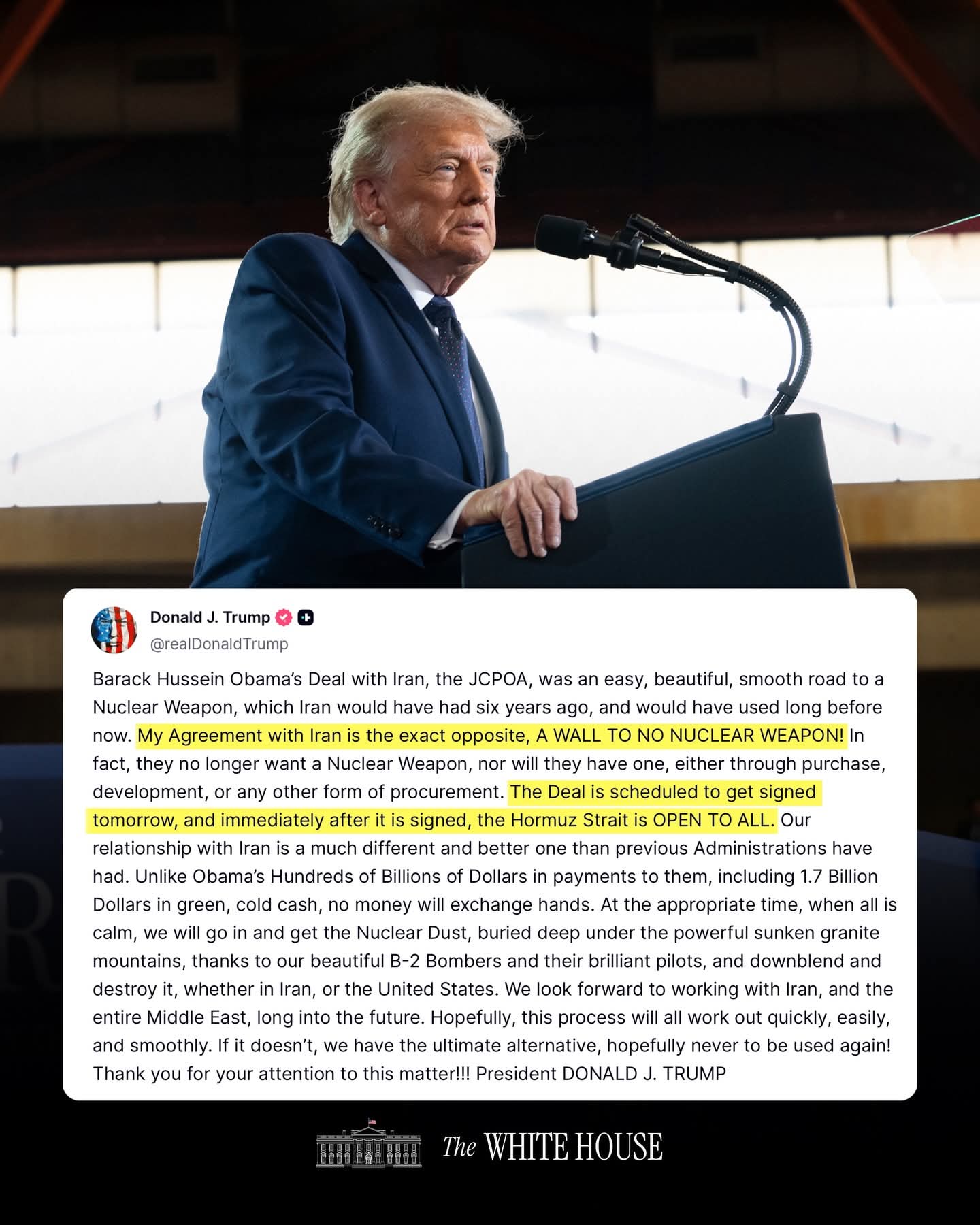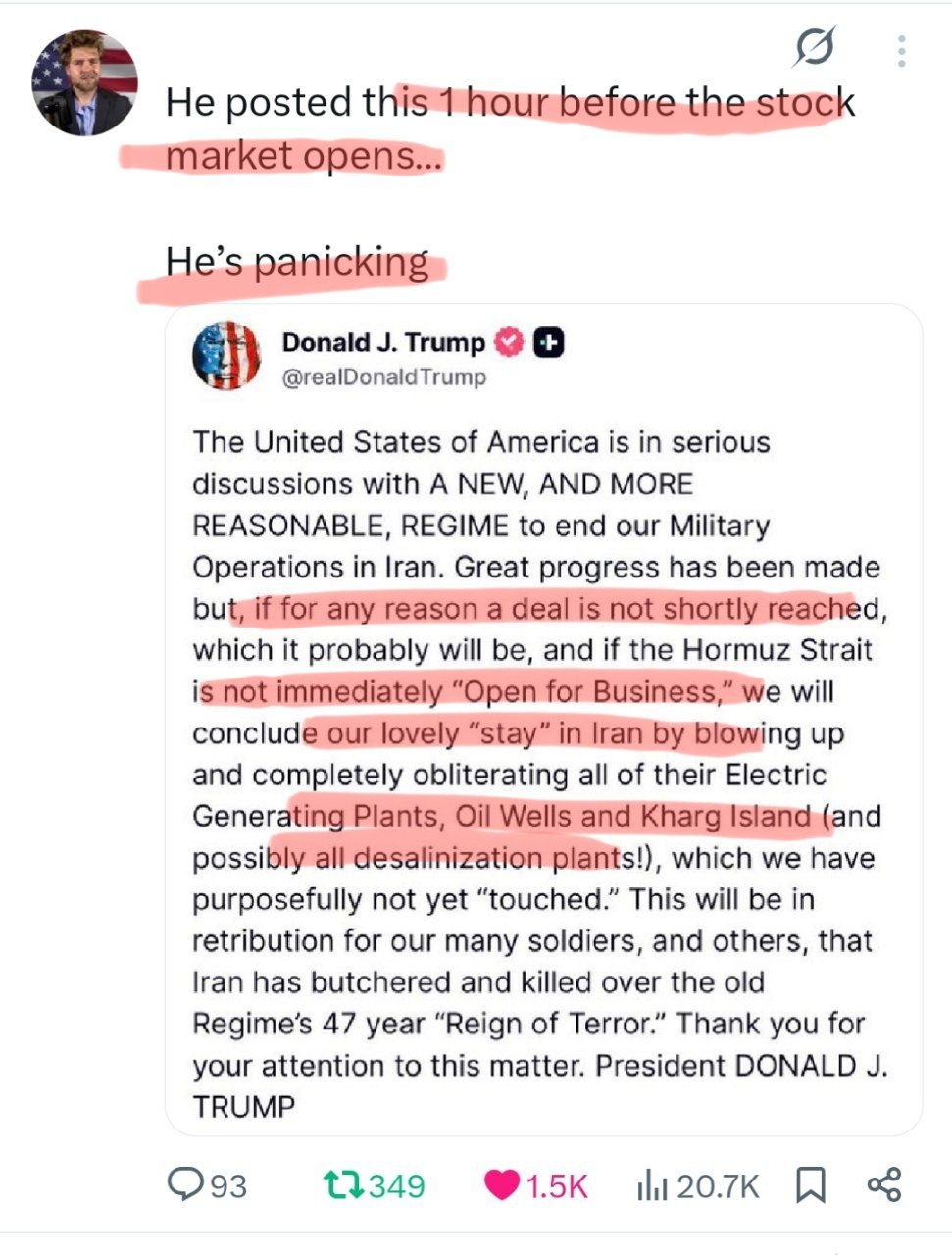
In a rapidly evolving situation, Donald Trump is reportedly under increasing pressure as a combination of economic instability and shifting political alliances begins to weigh heavily on his strategic position.
Financial markets have shown signs of distress in recent days, with U.S. bond yields rising sharply, signaling investor uncertainty and tightening financial conditions. At the same time, the stock market has experienced notable declines, raising concerns among analysts about broader economic confidence. Compounding the issue, global oil prices have surged, adding inflationary pressure and further straining economic stability.
On the geopolitical front, tensions appear to be deepening. Reports suggest that support from Israel regarding ground troop involvement may be weakening, a development that could significantly impact ongoing strategic considerations.
Meanwhile, within Washington, lawmakers are growing increasingly vocal. Members of United States Congress, including several Senators, are said to be pressuring for a swift de-escalation, urging Trump to bring the conflict to a close and outline an exit strategy.
Political analysts note that the convergence of economic strain and legislative pressure is creating a challenging environment, potentially forcing key decisions in the coming days.
As events continue to unfold, attention remains fixed on how Trump will navigate these overlapping crises—balancing economic realities, international relations, and domestic political expectations.